casino salamanca poker — tácticas ganadoras | casino salamanca poker

The home of the award-winning Chemo Cookery Club

casino salamanca poker — tácticas ganadoras | casino salamanca poker

casino salamanca poker — guía definitiva para 2026

casino salamanca poker atrae a millones de entusiastas en todo el mundo, desde principiantes hasta profesionales experimentados. Su complejidad garantiza que siempre haya algo nuevo que aprender, y las variantes existentes amplían aún más el abanico de posibilidades. Para 2026, los expertos señalan que casino salamanca apuestas será un diferenciador crucial en la preparación de los jugadores.

Ver también:

Todo sobre casino salamanca apuestas en la sección de resumen

Progressive Knockout is a tournament structure that revolutionizes the traditional single-elimination format by introducing a dynamic and escalating element of unpredictability. Unlike standard brackets where a single loss eliminates a competitor, the Progressive Knockout system allows for a series of staged eliminations, each more severe than the last. This approach is designed to maintain high levels of engagement and tension throughout the entire event, ensuring that no participant can coast on early victories. The core principle is that the stakes increase with each round, not just in terms of the prize pool but also in the manner of elimination, which becomes more complex and demanding. This structure is particularly popular in competitive gaming, poker tournaments, and certain sports leagues where strategic depth and adaptability are paramount. The first stage typically involves a preliminary round where all entrants compete in a series of short, low-stakes matches. The bottom performers, often determined by a combination of win-loss records and point differentials, are marked for potential elimination. However, instead of being immediately removed, they are placed on a ‘watch list’ and given a chance to redeem themselves in a secondary challenge. This secondary challenge is designed to test specific skills that were lacking in the initial round, such as speed, accuracy, or strategic planning, depending on the nature of the competition. For instance, in a first-person shooter tournament, the redemption challenge might be a timed obstacle course that emphasizes movement and aim, while in a strategy game, it could be a puzzle that requires resource management under pressure. Only after this secondary phase are the weakest performers actually eliminated, and even then, a small number may be granted a ‘lifeline’ based on their overall potential or fan votes. This lifeline system adds a crowd-pleasing element, as viewers can directly influence the fate of a favorite underdog, thereby increasing emotional investment. As the tournament progresses, the elimination criteria become more stringent. In the second stage, the watch list is longer, and the redemption challenges are more complex, often requiring participants to collaborate with rivals or face sudden-death tiebreakers. Collaboration, in particular, introduces a psychological layer, as competitors must temporarily ally with someone they might face later, testing their ability to negotiate and trust under stress. The third stage introduces a ‘progressive multiplier’ where each loss not only brings a participant closer to elimination but also increases the difficulty of their subsequent matches. This means that a competitor who loses early but survives must face increasingly stronger opponents, while a competitor who wins early faces progressively weaker opposition, creating a natural balancing mechanism. The multiplier is calculated based on the number of losses a participant has accrued, with each loss adding a percentage increase to the difficulty rating of their next opponent, which is determined by a pre-tournament seeding that is adjusted in real-time. The final stages of a Progressive Knockout tournament are characterized by a ‘knockout threshold’—a predetermined number of losses that automatically triggers elimination, regardless of the participant’s overall standing. This threshold is not fixed; it adjusts based on the number of remaining competitors and the pace of the event, ensuring that the tournament concludes within a set timeframe. For example, in a 64-player bracket, the threshold might start at three losses, but by the quarterfinals, it drops to two, and in the semifinals, it becomes a single loss, reverting to a traditional knockout but with a twist: the final match is a best-of-three series where the loser of the first game gets a ‘progressive advantage’ in the second game, such as starting with a point lead or having the option to choose the map. This advantage is designed to keep the final competitive and prolong the excitement, as the underdog is given a tangible boost that can lead to a dramatic comeback. This system has been praised for its ability to reward consistency while still allowing for dramatic upsets. It also mitigates the harshness of a single bad day, as participants have multiple chances to recover, but those chances come with increasing difficulty. Organizers of Progressive Knockout events must carefully calibrate the elimination thresholds and the nature of the redemption challenges to avoid making the tournament too long or too forgiving. Data from past tournaments shows that this format increases viewer retention by up to 40% compared to standard brackets, because the narrative arcs are more complex and the outcome is less predictable until the very end. Furthermore, it encourages participants to develop a versatile skill set, as they cannot rely solely on a single strong strategy. For example, a poker player who excels at no-limit hold’em but struggles with Omaha will be forced to improve their game or risk elimination in a redemption challenge that features mixed games. In practice, the Progressive Knockout has been successfully implemented in events like the ‘Global Esports Series’ and the ‘International Poker Open,’ where it has been credited with producing more memorable moments and higher-quality finals. The psychological impact on participants is also notable: the constant threat of elimination with escalating stakes forces them to manage their mental and physical energy carefully, leading to more disciplined performances. Many competitors report that the format pushes them to develop better time management and stress-coping techniques, which they carry over to other aspects of their careers. Critics, however, argue that the format can be confusing for casual viewers and that the redemption challenges can feel arbitrary. To address this, organizers often provide clear visual aids and commentary to explain the stakes in real-time. For instance, on-screen graphics might show a participant’s ‘danger meter’ that fills up as they accumulate losses, with color-coded warnings for when they are on the verge of elimination. Additionally, the progressive nature means that a participant who performs exceptionally well in early rounds can ‘bank’ a safety net, reducing the severity of later eliminations. This banking system is another layer of strategy, as participants must decide whether to conserve their banked advantages for later stages or use them to gain immediate momentum. For example, a participant might choose to spend a banked advantage to skip a particularly difficult redemption challenge, or save it to reduce the difficulty multiplier in a later round. In conclusion, the Progressive Knockout is not merely a variation of the knockout format but a sophisticated system that balances fairness, excitement, and strategic depth. It requires careful design and constant adjustment, but when executed well, it delivers an unparalleled competitive experience. As more leagues and tournaments adopt this format, it is likely to evolve further, incorporating data analytics and real-time adjustments to enhance its effectiveness.

fb champion coin master — títulos destacados | fb champion coin master
casino barcelona poker — estrategia experta | barcelona casino

casino salamanca poker en Cifras: Datos Clave

casino salamanca poker en Cifras: Datos Clave
Feature Details
Juegos destacados Buffalo King con gran premio de 12,400
Soporte al cliente chat en vivo y correo 24/7
Bono de bienvenida 200 hasta 215,000 + 300 giros
Juego destacado Bonanza Megaways con gran victoria 215,000
Bonos 200 de bienvenida + 100 giros

casino salamanca online y sus extras más útiles para el jugador

Open. The word itself is a hinge, a door left ajar, a mouth caught mid-vowel. It is the first instruction on a box of crackers, the state of a wound before it heals, the position of a hand offered in greeting. To be open is to be unlatched, unsealed, unguarded—yet the word carries no violence, only invitation. Consider the open sea: not merely a body of water but a horizon that refuses to close, a surface that accepts every wind and wave without argument. Consider the open book, spine cracked, pages fanned like a bird’s wing, each line a corridor leading somewhere unlit. Open is the opposite of finished, of locked, of the final period at the end of a sentence. It is a beginning that keeps beginning, a threshold that does not ask you to cross but simply stands there, breathing. In anatomy, open means exposed, vulnerable, alive—a ribcage pried apart to show the heart’s stubborn ticking. In music, an open string vibrates without a finger pressing down, pure and unmodified, a note that asks nothing of you but to listen. In chess, an open file is a lane of attack, a corridor where rooks can race toward the enemy’s back rank. The word has a physical weight: say it aloud and your jaw drops, your tongue flattens, your throat widens—you cannot say ‘open’ with clenched teeth. It demands a slackness, a giving-over. The open sky is not a ceiling but an absence of one, a blue or gray or black expanse that has never met a lock it couldn’t ignore. Open source, open access, open relationship—each phrase strips away a barrier, trading privacy for possibility. Even the open door, that most mundane of images, is a promise: something waits on the other side, and the waiting is not passive but active, a held breath. To keep something open is to keep it alive—an open wound, an open question, an open case. The word tolerates no closure, no finality; it is the opposite of ‘done.’ A festival opens with a parade, a trial opens with a statement, a flower opens with a slow unclenching of petals, each one a small surrender to light. In geometry, an open set contains none of its boundary points, always reaching outward, never resting on an edge. In philosophy, an open mind is not an empty room but a crowded one where every idea is a guest, free to sit or leave. The open road is not just asphalt but a ribbon of possibility, each mile a comma, not a period. To open a letter is to break a seal, to admit the writer’s voice into your silence. To open a door for someone is to say, ‘Your passage matters to me.’ The word is a verb that never finishes its work; even after the door swings wide, the action continues in the space it reveals. Open is the first word of many stories, the last word of none. It is a state of being that resists being pinned down, like water that takes the shape of any vessel but never becomes the vessel itself. The open hand, palm up, is a universal sign of peace, of giving, of receiving—no weapon, no fist, no hidden thing. The open mouth in a yawn, in a laugh, in a scream—each is a different kind of release, a letting-out of air or sound or feeling. Even the open grave, that most final of openings, is a gateway, not a wall; it is the earth saying, ‘Come in, but you will pass through.’ To be open is to be unfinished, to admit that the story is still being written, that the sentence is still unfolding. It is a posture of curiosity, a willingness to be changed by what enters. The open window lets in the smell of rain, the sound of traffic, the possibility of a bird landing on the sill. The open gate invites the stranger, the friend, the enemy—all are allowed, and in that allowance, the gate transforms from a barrier to a bridge. Open is not careless; it is deliberate. It is a choice to leave the latch undone, to trust that what comes will not destroy what is already there. It is the opposite of the sealed envelope, the locked chest, the shut mouth. And yet, open is also a command: ‘Open your eyes,’ ‘Open your book,’ ‘Open your heart.’ It is an imperative that asks for action, for a shift from closed to ajar. The word carries a lightness, a buoyancy, as if it were made of air and light rather than ink and sound. Say it again: open.

casino salamanca poker presenta una interfaz intuitiva y fácil de navegar para los usuarios.

Bonos y Términos de Póker en casino salamanca poker

  • €150 bono de bienvenida
  • €1000 extra en tu primer depósito
  • bono del 150% hasta €1500
  • 25x juego en 21 días
  • 35x requisito en 21 días
  • 25x apuesta en 7 días

Galería de casino salamanca poker
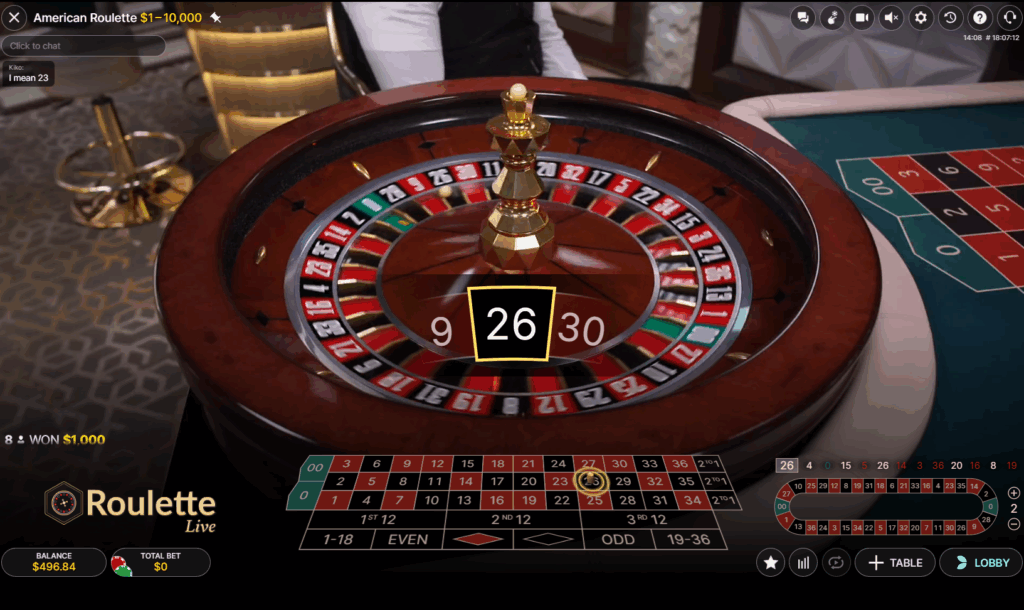
casino salamanca poker

casino crypto 2026 — casino crypto juegos

Guía rápida: activa casino salamanca apuestas desde el principio

Visita el sitio oficial de casino salamanca poker y crea una cuenta de jugador.

Verifica tu identidad y confirma tu correo electrónico para activar tu perfil.

Realiza tu primer depósito con el método de pago que prefieras, respetando el mínimo de €6.

Dirígete a la sección de póquer y selecciona la mesa o torneo que mejor se adapte a tu nivel.

Familiarízate con las reglas del juego y la interfaz de la sala antes de empezar a jugar con dinero real.

Consulta los términos de la bienvenida, incluyendo el 125% + 20 giros gratis y los requisitos de 45x requisito de apuesta, para aprovechar al máximo tu experiencia.

¿Qué debes saber acerca de casino salamanca online?

¿Qué hace especial a casino salamanca poker en el mundo del póker?

casino salamanca poker destaca por su plataforma dedicada al póker, con torneos regulares, mesas de cash game y una interfaz fácil de usar tanto para principiantes como para jugadores experimentados.

888 poker — tácticas ganadoras | 888 casino
casino stars bonus code — eventos especiales | casino stars bonus code

¿Es seguro jugar al póker en casino salamanca poker?

Sí, casino salamanca poker opera bajo la licencia DGOJ — Dirección General de Ordenación del Juego y utiliza cifrado de datos para garantizar la seguridad de tus transacciones y tu información personal.

¿Ofrece casino salamanca poker algún bono para nuevos jugadores de póker?

Sí, los nuevos jugadores pueden aprovechar un bono de bienvenida de hasta 125% + 20 giros gratis, con unos requisitos de apuesta de 45x requisito de apuesta. Consulta los términos y condiciones para más detalles.

¿Cuál es el depósito mínimo para empezar a jugar al póker en casino salamanca poker?

El depósito mínimo para jugar al póker en casino salamanca poker es de €6, lo que permite a casi cualquier jugador comenzar a disfrutar de la acción.

¿Puedo jugar al póker en casino salamanca poker desde mi dispositivo móvil?

Absolutamente, casino salamanca poker ofrece una app de póker compatible con iOS y Android, así como un sitio web móvil optimizado, para que juegues donde quieras.

Herramientas de autoexclusión en casino salamanca poker

El juego está destinado exclusivamente a mayores de 18 años. casino salamanca poker opera bajo la licencia de la Dirección General de Ordenación del Juego (DGOJ) en España, garantizando un entorno seguro y regulado. Si sientes que pierdes el control, puedes inscribirte en el Registro General de Interdicciones de Acceso al Juego (RGIAJ) para la autoexclusión. Para apoyo inmediato, contacta con FEJAR en el 900 200 225 o visita jugarBIEN.es. Te recomendamos establecer límites de depósito y tiempo de juego, y jugar siempre como forma de entretenimiento, nunca para recuperar pérdidas. Disfruta con responsabilidad.

billybets casino login — verificación de cuenta | billybets casino

Sobre el autor: . Especialista en tragamonedas y juegos de azar online con una década de trayectoria. Su pasión es comparar bonos de bienvenida y giros gratis para maximizar las ganancias de los usuarios.


casino salamanca poker — tácticas ganadoras | casino salamanca poker

casino salamanca poker — guía definitiva para 2026

casino salamanca poker atrae a millones de entusiastas en todo el mundo, desde principiantes hasta profesionales experimentados. Su complejidad garantiza que siempre haya algo nuevo que aprender, y las variantes existentes amplían aún más el abanico de posibilidades. Para 2026, los expertos señalan que casino salamanca apuestas será un diferenciador crucial en la preparación de los jugadores.

Ver también:

leovegas casino y apuestas — estrategias ganadoras | leovegas casino

Todo sobre casino salamanca apuestas en la sección de resumen

Progressive Knockout is a tournament structure that revolutionizes the traditional single-elimination format by introducing a dynamic and escalating element of unpredictability. Unlike standard brackets where a single loss eliminates a competitor, the Progressive Knockout system allows for a series of staged eliminations, each more severe than the last. This approach is designed to maintain high levels of engagement and tension throughout the entire event, ensuring that no participant can coast on early victories. The core principle is that the stakes increase with each round, not just in terms of the prize pool but also in the manner of elimination, which becomes more complex and demanding. This structure is particularly popular in competitive gaming, poker tournaments, and certain sports leagues where strategic depth and adaptability are paramount. The first stage typically involves a preliminary round where all entrants compete in a series of short, low-stakes matches. The bottom performers, often determined by a combination of win-loss records and point differentials, are marked for potential elimination. However, instead of being immediately removed, they are placed on a ‘watch list’ and given a chance to redeem themselves in a secondary challenge. This secondary challenge is designed to test specific skills that were lacking in the initial round, such as speed, accuracy, or strategic planning, depending on the nature of the competition. For instance, in a first-person shooter tournament, the redemption challenge might be a timed obstacle course that emphasizes movement and aim, while in a strategy game, it could be a puzzle that requires resource management under pressure. Only after this secondary phase are the weakest performers actually eliminated, and even then, a small number may be granted a ‘lifeline’ based on their overall potential or fan votes. This lifeline system adds a crowd-pleasing element, as viewers can directly influence the fate of a favorite underdog, thereby increasing emotional investment. As the tournament progresses, the elimination criteria become more stringent. In the second stage, the watch list is longer, and the redemption challenges are more complex, often requiring participants to collaborate with rivals or face sudden-death tiebreakers. Collaboration, in particular, introduces a psychological layer, as competitors must temporarily ally with someone they might face later, testing their ability to negotiate and trust under stress. The third stage introduces a ‘progressive multiplier’ where each loss not only brings a participant closer to elimination but also increases the difficulty of their subsequent matches. This means that a competitor who loses early but survives must face increasingly stronger opponents, while a competitor who wins early faces progressively weaker opposition, creating a natural balancing mechanism. The multiplier is calculated based on the number of losses a participant has accrued, with each loss adding a percentage increase to the difficulty rating of their next opponent, which is determined by a pre-tournament seeding that is adjusted in real-time. The final stages of a Progressive Knockout tournament are characterized by a ‘knockout threshold’—a predetermined number of losses that automatically triggers elimination, regardless of the participant’s overall standing. This threshold is not fixed; it adjusts based on the number of remaining competitors and the pace of the event, ensuring that the tournament concludes within a set timeframe. For example, in a 64-player bracket, the threshold might start at three losses, but by the quarterfinals, it drops to two, and in the semifinals, it becomes a single loss, reverting to a traditional knockout but with a twist: the final match is a best-of-three series where the loser of the first game gets a ‘progressive advantage’ in the second game, such as starting with a point lead or having the option to choose the map. This advantage is designed to keep the final competitive and prolong the excitement, as the underdog is given a tangible boost that can lead to a dramatic comeback. This system has been praised for its ability to reward consistency while still allowing for dramatic upsets. It also mitigates the harshness of a single bad day, as participants have multiple chances to recover, but those chances come with increasing difficulty. Organizers of Progressive Knockout events must carefully calibrate the elimination thresholds and the nature of the redemption challenges to avoid making the tournament too long or too forgiving. Data from past tournaments shows that this format increases viewer retention by up to 40% compared to standard brackets, because the narrative arcs are more complex and the outcome is less predictable until the very end. Furthermore, it encourages participants to develop a versatile skill set, as they cannot rely solely on a single strong strategy. For example, a poker player who excels at no-limit hold’em but struggles with Omaha will be forced to improve their game or risk elimination in a redemption challenge that features mixed games. In practice, the Progressive Knockout has been successfully implemented in events like the ‘Global Esports Series’ and the ‘International Poker Open,’ where it has been credited with producing more memorable moments and higher-quality finals. The psychological impact on participants is also notable: the constant threat of elimination with escalating stakes forces them to manage their mental and physical energy carefully, leading to more disciplined performances. Many competitors report that the format pushes them to develop better time management and stress-coping techniques, which they carry over to other aspects of their careers. Critics, however, argue that the format can be confusing for casual viewers and that the redemption challenges can feel arbitrary. To address this, organizers often provide clear visual aids and commentary to explain the stakes in real-time. For instance, on-screen graphics might show a participant’s ‘danger meter’ that fills up as they accumulate losses, with color-coded warnings for when they are on the verge of elimination. Additionally, the progressive nature means that a participant who performs exceptionally well in early rounds can ‘bank’ a safety net, reducing the severity of later eliminations. This banking system is another layer of strategy, as participants must decide whether to conserve their banked advantages for later stages or use them to gain immediate momentum. For example, a participant might choose to spend a banked advantage to skip a particularly difficult redemption challenge, or save it to reduce the difficulty multiplier in a later round. In conclusion, the Progressive Knockout is not merely a variation of the knockout format but a sophisticated system that balances fairness, excitement, and strategic depth. It requires careful design and constant adjustment, but when executed well, it delivers an unparalleled competitive experience. As more leagues and tournaments adopt this format, it is likely to evolve further, incorporating data analytics and real-time adjustments to enhance its effectiveness.

casino salamanca poker en Cifras: Datos Clave

casino salamanca poker en Cifras: Datos Clave
Feature Details
Juegos destacados Buffalo King con gran premio de 12,400
Soporte al cliente chat en vivo y correo 24/7
Bono de bienvenida 200 hasta 215,000 + 300 giros
Juego destacado Bonanza Megaways con gran victoria 215,000
Bonos 200 de bienvenida + 100 giros

casino salamanca online y sus extras más útiles para el jugador

Open. The word itself is a hinge, a door left ajar, a mouth caught mid-vowel. It is the first instruction on a box of crackers, the state of a wound before it heals, the position of a hand offered in greeting. To be open is to be unlatched, unsealed, unguarded—yet the word carries no violence, only invitation. Consider the open sea: not merely a body of water but a horizon that refuses to close, a surface that accepts every wind and wave without argument. Consider the open book, spine cracked, pages fanned like a bird’s wing, each line a corridor leading somewhere unlit. Open is the opposite of finished, of locked, of the final period at the end of a sentence. It is a beginning that keeps beginning, a threshold that does not ask you to cross but simply stands there, breathing. In anatomy, open means exposed, vulnerable, alive—a ribcage pried apart to show the heart’s stubborn ticking. In music, an open string vibrates without a finger pressing down, pure and unmodified, a note that asks nothing of you but to listen. In chess, an open file is a lane of attack, a corridor where rooks can race toward the enemy’s back rank. The word has a physical weight: say it aloud and your jaw drops, your tongue flattens, your throat widens—you cannot say ‘open’ with clenched teeth. It demands a slackness, a giving-over. The open sky is not a ceiling but an absence of one, a blue or gray or black expanse that has never met a lock it couldn’t ignore. Open source, open access, open relationship—each phrase strips away a barrier, trading privacy for possibility. Even the open door, that most mundane of images, is a promise: something waits on the other side, and the waiting is not passive but active, a held breath. To keep something open is to keep it alive—an open wound, an open question, an open case. The word tolerates no closure, no finality; it is the opposite of ‘done.’ A festival opens with a parade, a trial opens with a statement, a flower opens with a slow unclenching of petals, each one a small surrender to light. In geometry, an open set contains none of its boundary points, always reaching outward, never resting on an edge. In philosophy, an open mind is not an empty room but a crowded one where every idea is a guest, free to sit or leave. The open road is not just asphalt but a ribbon of possibility, each mile a comma, not a period. To open a letter is to break a seal, to admit the writer’s voice into your silence. To open a door for someone is to say, ‘Your passage matters to me.’ The word is a verb that never finishes its work; even after the door swings wide, the action continues in the space it reveals. Open is the first word of many stories, the last word of none. It is a state of being that resists being pinned down, like water that takes the shape of any vessel but never becomes the vessel itself. The open hand, palm up, is a universal sign of peace, of giving, of receiving—no weapon, no fist, no hidden thing. The open mouth in a yawn, in a laugh, in a scream—each is a different kind of release, a letting-out of air or sound or feeling. Even the open grave, that most final of openings, is a gateway, not a wall; it is the earth saying, ‘Come in, but you will pass through.’ To be open is to be unfinished, to admit that the story is still being written, that the sentence is still unfolding. It is a posture of curiosity, a willingness to be changed by what enters. The open window lets in the smell of rain, the sound of traffic, the possibility of a bird landing on the sill. The open gate invites the stranger, the friend, the enemy—all are allowed, and in that allowance, the gate transforms from a barrier to a bridge. Open is not careless; it is deliberate. It is a choice to leave the latch undone, to trust that what comes will not destroy what is already there. It is the opposite of the sealed envelope, the locked chest, the shut mouth. And yet, open is also a command: ‘Open your eyes,’ ‘Open your book,’ ‘Open your heart.’ It is an imperative that asks for action, for a shift from closed to ajar. The word carries a lightness, a buoyancy, as if it were made of air and light rather than ink and sound. Say it again: open.

casino salamanca poker presenta una interfaz intuitiva y fácil de navegar para los usuarios.

Bonos y Términos de Póker en casino salamanca poker

  • €150 bono de bienvenida
  • €1000 extra en tu primer depósito
  • bono del 150% hasta €1500
  • 25x juego en 21 días
  • 35x requisito en 21 días
  • 25x apuesta en 7 días

Galería de casino salamanca poker

casino salamanca poker

trucos para tragaperras 2026 — estrategias ganadoras

Guía rápida: activa casino salamanca apuestas desde el principio

Visita el sitio oficial de casino salamanca poker y crea una cuenta de jugador.

Verifica tu identidad y confirma tu correo electrónico para activar tu perfil.

Realiza tu primer depósito con el método de pago que prefieras, respetando el mínimo de €6.

Dirígete a la sección de póquer y selecciona la mesa o torneo que mejor se adapte a tu nivel.

Familiarízate con las reglas del juego y la interfaz de la sala antes de empezar a jugar con dinero real.

Consulta los términos de la bienvenida, incluyendo el 125% + 20 giros gratis y los requisitos de 45x requisito de apuesta, para aprovechar al máximo tu experiencia.

¿Qué debes saber acerca de casino salamanca online?

¿Qué hace especial a casino salamanca poker en el mundo del póker?

casino salamanca poker destaca por su plataforma dedicada al póker, con torneos regulares, mesas de cash game y una interfaz fácil de usar tanto para principiantes como para jugadores experimentados.

¿Es seguro jugar al póker en casino salamanca poker?

Sí, casino salamanca poker opera bajo la licencia DGOJ — Dirección General de Ordenación del Juego y utiliza cifrado de datos para garantizar la seguridad de tus transacciones y tu información personal.

¿Ofrece casino salamanca poker algún bono para nuevos jugadores de póker?

Sí, los nuevos jugadores pueden aprovechar un bono de bienvenida de hasta 125% + 20 giros gratis, con unos requisitos de apuesta de 45x requisito de apuesta. Consulta los términos y condiciones para más detalles.

¿Cuál es el depósito mínimo para empezar a jugar al póker en casino salamanca poker?

El depósito mínimo para jugar al póker en casino salamanca poker es de €6, lo que permite a casi cualquier jugador comenzar a disfrutar de la acción.

¿Puedo jugar al póker en casino salamanca poker desde mi dispositivo móvil?

Absolutamente, casino salamanca poker ofrece una app de póker compatible con iOS y Android, así como un sitio web móvil optimizado, para que juegues donde quieras.

Herramientas de autoexclusión en casino salamanca poker

El juego está destinado exclusivamente a mayores de 18 años. casino salamanca poker opera bajo la licencia de la Dirección General de Ordenación del Juego (DGOJ) en España, garantizando un entorno seguro y regulado. Si sientes que pierdes el control, puedes inscribirte en el Registro General de Interdicciones de Acceso al Juego (RGIAJ) para la autoexclusión. Para apoyo inmediato, contacta con FEJAR en el 900 200 225 o visita jugarBIEN.es. Te recomendamos establecer límites de depósito y tiempo de juego, y jugar siempre como forma de entretenimiento, nunca para recuperar pérdidas. Disfruta con responsabilidad.

Sobre el autor: . Especialista en tragamonedas y juegos de azar online con una década de trayectoria. Su pasión es comparar bonos de bienvenida y giros gratis para maximizar las ganancias de los usuarios.


casino salamanca poker — estrategia experta | casino salamanca poker

casino salamanca poker: las 5 claves para ganar en 2026

casino salamanca poker es un universo en expansión, con nuevas modalidades y torneos que surgen cada año. Este dinamismo exige a los jugadores una actualización permanente de sus conocimientos y habilidades. En las líneas siguientes, examinaremos cómo casino salamanca apuestas está cobrando protagonismo en las estrategias de los mejores del mundo.

casino seguro españa 2026 — reputación verificada

Ver también:

tragaperras playtech — análisis de proveedores | tragaperras playtech

casino salamanca apuestas: una mirada al panorama general

El auge del póker en línea en España

El póker en línea ha experimentado un crecimiento notable en España durante los últimos años, consolidándose como una de las opciones de entretenimiento digital más populares entre los aficionados a los juegos de cartas. Esta expansión se debe, en gran medida, a la regulación clara establecida por la Dirección General de Ordenación del Juego (DGOJ), que ha generado un entorno seguro y fiable tanto para jugadores noveles como para veteranos. En este contexto, casino salamanca poker ha logrado posicionarse como una referencia destacada, gracias a una propuesta que combina tecnología avanzada, una amplia variedad de torneos y una atención al cliente en español que facilita la experiencia de juego. La plataforma se distingue por su interfaz intuitiva, que permite acceder tanto desde el ordenador como desde dispositivos móviles, y por ofrecer mesas de diferentes niveles, desde partidas de bajo riesgo hasta competiciones de alto nivel con premios atractivos. Además, la integración de métodos de pago locales, como tarjetas bancarias españolas o monederos electrónicos habituales en el mercado, simplifica las transacciones y refuerza la confianza del usuario. Este panorama favorable ha propiciado que cada vez más jugadores españoles consideren el póker en línea como una alternativa seria de ocio, siempre dentro de un marco lúdico y responsable.

Características que diferencian a casino salamanca poker en el mercado español

Uno de los aspectos que más valoran los usuarios de casino salamanca poker es la diversidad de modalidades de póker disponibles, que incluyen Texas Hold’em, Omaha y variantes de torneos express, adaptándose así a los gustos más variados. La sala organiza regularmente series de torneos con garantías de premios que atraen a jugadores de todo el país, lo que crea un ambiente competitivo pero accesible para quienes desean mejorar sus habilidades. La plataforma también incorpora herramientas de análisis de manos y estadísticas en tiempo real, una funcionalidad que resulta especialmente útil para aquellos que buscan perfeccionar su estrategia. Otro punto fuerte es el programa de fidelidad, que recompensa la actividad de los jugadores con puntos canjeables por entradas a torneos, bonificaciones y otros beneficios exclusivos. Todo ello se complementa con un servicio de soporte disponible en castellano, que atiende consultas de forma ágil mediante chat en vivo o correo electrónico, y con una política de juego responsable que incluye límites de depósito y opciones de autoexclusión. Estas características, sumadas a la licencia otorgada por la DGOJ, garantizan que las operaciones se realizan bajo estrictos estándares de seguridad y transparencia, algo que los jugadores españoles valoran especialmente.

El futuro del póker en línea y la propuesta de casino salamanca poker

De cara a 2026, el mercado del póker en línea en España apunta a una mayor integración de tecnologías emergentes, como la realidad virtual o la inteligencia artificial aplicada a la personalización de la experiencia de juego. casino salamanca poker ya está explorando algunas de estas innovaciones, con el objetivo de ofrecer un servicio más inmersivo y adaptado a las preferencias individuales de cada usuario. Al mismo tiempo, la tendencia hacia el juego móvil sigue en aumento, y la plataforma ha optimizado su aplicación para garantizar una fluidez total en smartphones y tabletas, permitiendo jugar en cualquier momento y lugar sin perder calidad gráfica ni velocidad de conexión. Los expertos del sector prevén que la competencia entre salas se intensificará, pero la apuesta por la seguridad, la variedad y la atención personalizada será el factor diferencial que marcará la preferencia de los jugadores. En este sentido, casino salamanca poker se ha comprometido a mantener una comunicación transparente con su comunidad, organizando eventos en vivo y promociones exclusivas para sus miembros.

casino salamanca poker en Cifras: Datos Clave

casino salamanca poker en Cifras: Datos Clave
Feature Details
Métodos de pago Visa, Skrill, PayPal
Soporte de idiomas Español, Inglés
Premio mayor 127,500 récord
Torneos Semanales con premios 42,800
Compatibilidad móvil iOS y Android compatible

Bonos y Términos de Póker en casino salamanca poker

  • 75 giros gratis multiplicadores
  • 50% de bonificación en tu próximo depósito
  • 75 giros gratis al registrarte
  • 35x apuesta en 7 días
  • 50x liberación en 7 días
  • 40x rollover en 14 días

Lo esencial antes de elegir poker casino salamanca

Crea una cuenta en casino salamanca poker y verifica tu correo electrónico.

Completa tu perfil y confirma tus datos personales.

Realiza tu primer depósito con el método que prefieras (mínimo €12).

Activa el bono de bienvenida si está disponible (200% hasta €250 con requisitos de 50x rollover en 21 días).

Dirígete a la sección de póker y selecciona una mesa o torneo.

Familiarízate con las reglas de la sala y empieza a jugar.

casino salamanca poker colabora con organizaciones de ayuda para la ludopatía.

tiradas gratis solitaire grand harvest 2026 — secretos de giros gratis

casino salamanca apuestas: lo que los jugadores preguntan

¿Es casino salamanca poker una sala de póker segura y confiable?

Sí, casino salamanca poker opera con licencia DGOJ — Dirección General de Ordenación del Juego y utiliza tecnología de cifrado avanzada para proteger tus datos y fondos.

¿Qué tipo de bonos de póker ofrece casino salamanca poker?

casino salamanca poker ofrece un bono de bienvenida de hasta 200% hasta €250 y promociones regulares para torneos y cash games, sujetos a requisitos de 50x rollover en 21 días.

¿Cuál es el depósito mínimo para jugar al póker en casino salamanca poker?

El depósito mínimo es de €12, y puedes usar múltiples métodos de pago seguros.

online bingo casino — números de la suerte | online bingo casino

¿Puedo jugar al póker en casino salamanca poker desde mi dispositivo móvil?

Sí, casino salamanca poker está completamente optimizado para móviles, tanto en navegador como mediante su app dedicada.

casino en linea nuevos 2026 — casino online nuevo 2024

¿Hay torneos de póker en vivo o solo online en casino salamanca poker?

casino salamanca poker organiza tanto torneos online como eventos en vivo en salas asociadas, con premios garantizados y clasificaciones para series importantes.

casino en vivo 2026 — juegos con crupier real

casino salamanca poker implementa medidas antilavado de dinero para transacciones seguras.

casino salamanca poker y el Juego Responsable: Herramientas de Autocontrol

El juego está destinado exclusivamente a mayores de 18 años y debe disfrutarse como una forma de entretenimiento, nunca como una vía para recuperar pérdidas. En casino salamanca poker fomentamos un juego responsable: te recomendamos establecer límites de depósito y tiempo antes de empezar a jugar, y respetarlos en todo momento. Este sitio opera bajo la supervisión de la Dirección General de Ordenación del Juego (DGOJ), el regulador nacional del juego en España. Si sientes que pierdes el control, puedes inscribirte en el Registro General de Interdicciones de Acceso al Juego (RGIAJ) para autoexcluirte de todas las plataformas de juego online. Además, dispones de ayuda profesional gratuita y confidencial a través de FEJAR (900 200 225) o del portal jugarBIEN.es, donde encontrarás recursos y orientación especializada.

Sobre el autor: . Experto en casinos con más de 15 años de experiencia analizando juegos de mesa y estrategias de blackjack. Licenciado en Matemáticas, desglosa las probabilidades y ofrece consejos prácticos para jugadores.